
Know this first Flushing is a symptom of facial redness, and rosacea is a chronic inflammatory disease in which redness in the center of the face and various skin symptoms recur. Treatment depends on whether the main problem is blood vessels, inflammation, or skin irritation. Medication and skin care are the basis, and if necessary, procedures such as vascular laser are added. Rosacea diagnosis and treatment information
01. If there is redness, is it all rosacea?
A distinction is made between brief redness in hot places or after exercise or tension, and redness that remains on a daily basis and is easily aggravated by irritation. We do not diagnose rosacea just because your face is red.
Rosacea often appears in the center of the face, such as the cheeks, nose, forehead, and chin. A red base color, recurrent burning sensations, thin blood vessels, and red pimples or pus may be present. Some people are more uncomfortable with dryness and stinging, while others first feel a foreign body sensation or redness in their eyes. rosacea symptom guide
Irritation from cosmetics, contact dermatitis, or other skin diseases can also cause redness. During treatment, we check when it started, under what circumstances it gets worse, and what cosmetics, ointments, and medications you are using. Diagnosis Guide
It is easy to understand if you divide the skin into ‘blood vessels, inflammation, and protective membrane’.
- blood vessel: It is involved in the red background color and visible small blood vessels.
- inflammation: It is responsible for red lesions that rise up like acne, pus, and irritation symptoms.
- Skin barrier: This is a function that helps the skin retain moisture and withstand external stimulation. If you are dry and sensitive, washing your face or using cosmetics may feel stinging.
All three affect each other and may require specific treatment for each. Identifying the most bothersome symptoms first will help you choose treatment. International consensus on a symptom-specific approach
02. What is the most uncomfortable symptom right now?
The table below is a guide to explaining symptoms during treatment. It is not a test that independently confirms the diagnosis of the disease.
| symptoms you feel | Things to consider during treatment | direction of treatment |
|---|---|---|
| My cheeks and nose are always red. | Persistent red background and inflammation | Review skin care and medications and determine the need for vascular laser |
| Visible small blood vessels are visible on the side of the nose and cheeks. | Thickness, depth, distribution of blood vessels, skin color | Review of laser treatments targeting visible blood vessels |
| My face gets hot from heat, tension, and food. | Aggravating factors and frequency/duration of hot flashes | Control triggers, evaluate disease, and select necessary treatment |
| Red rashes and pus recur. | Other causes, including rosacea inflammation and acne | Identify priorities for treatment to control inflammation |
| It stings even after washing my face or applying moisturizer. | Irritant dermatitis, dryness, skin care habits | Review directions to reduce irritation and stabilize skin condition |
| My eyes are sore and bloodshot. | Whether accompanied by eye symptoms | Eye care if necessary along with skin care |
Since multiple symptoms can exist together, split your goals rather than trying to tackle them all with one device. international agreement Eye Symptom Guide
TREATMENT GUIDE
03. What role do the in-hospital equipment and procedures play?
First, determine if you need medication and skin care
If you have an inflammatory lesion, consider topical or oral medications. Local treatments such as metronidazole and ivermectin or doxycycline-based treatments may be used, and the choice depends on symptoms, contraindications, and domestic availability. Do not start or stop the medicine arbitrarily. The need for equipment treatment is also determined during this process. Treatment Guide
Element Vascular Laser — Examines remaining redness and thin blood vessels
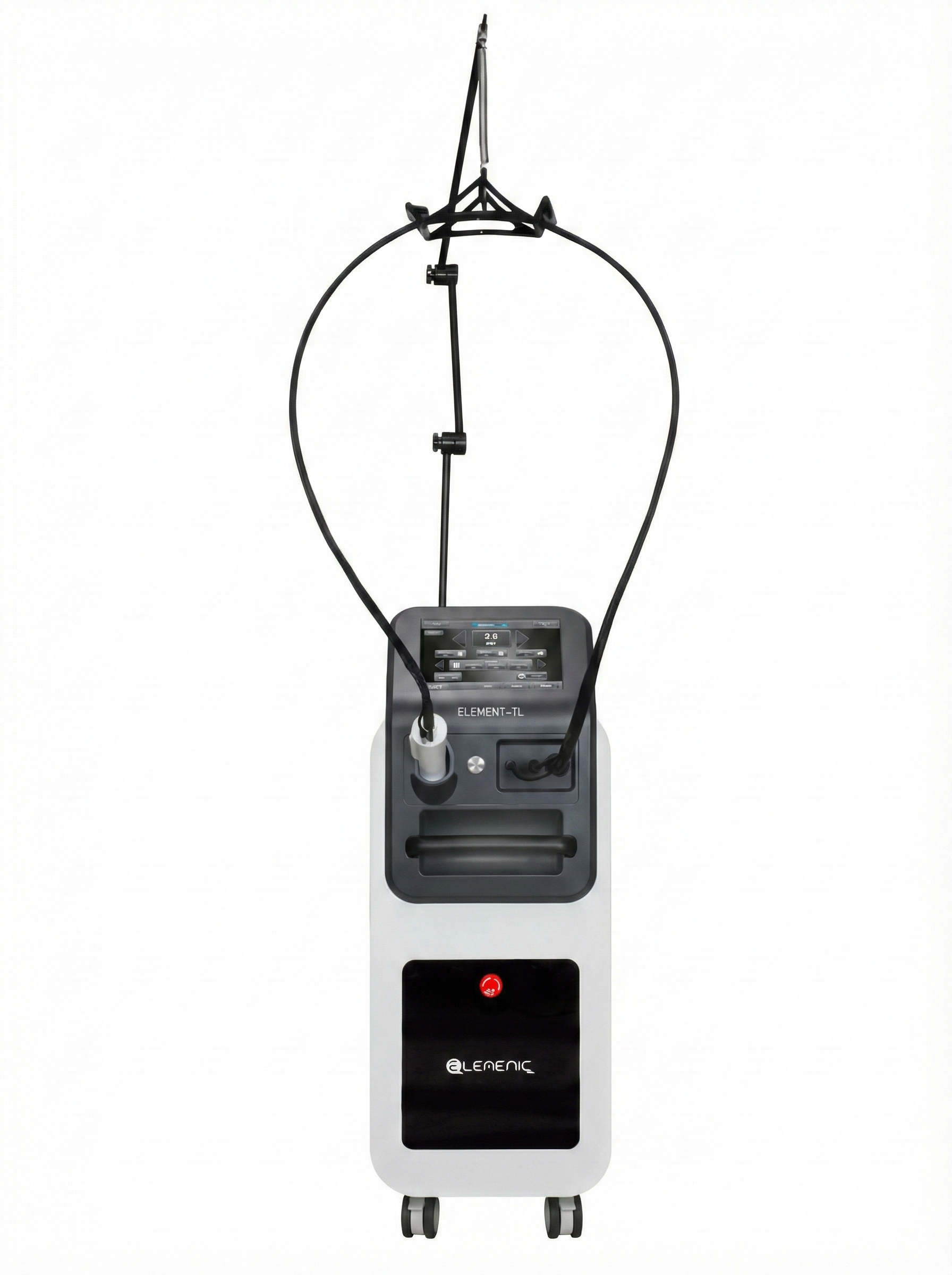
Concerns that can be discussed: Red background color that remains even on a daily basis, visible small blood vessels around the nose and cheeks.
of element Long pulse 532 nmis used to treat superficial blood vessels by using the light-absorbing property of hemoglobin, the red component of blood. Determine application and intensity after checking skin color, shape of blood vessels, recent sun exposure, and level of irritation.
A clinical study evaluating the 532 nm KTP series laser reported improvement in redness of rosacea. However, this is based on the same wavelength series and does not mean that the results from other equipment used in the paper are the same in Element. 532: nm comparative study
Things to know: Reactions to visible blood vessels and a sudden flushing sensation may vary. The laser alone does not guarantee that it will control all inflammation and heat or prevent recurrence. Redness, swelling, purpura, and pain may occur after the procedure, and the risk of burns, pigment changes, and scars is also taken into consideration. Laser Treatment Guide
Sonocare·Ultra Duo — Review of supplementary care for sensitive skin
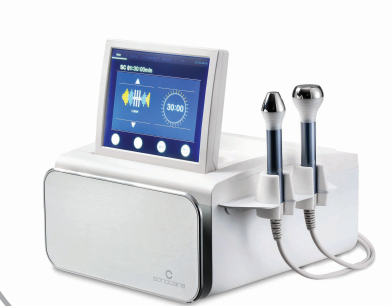
Concerns that can be discussed: Skin that is accompanied by dryness and stinging and turns red easily due to irritation.
SonoCare and Ultra Duo are in-hospital care devices that use ultrasound. Depending on your skin condition, it may be considered as supplementary care. The purpose and method of use are different from focused ultrasound for lifting, and its role is also different from the vascular laser that directly treats visible small blood vessels.
Early dual-frequency ultrasound research observed changes in redness and skin water-loss measures. The study used SONO STYLER, not SonoCare or Ultra Duo themselves. This small study had no control group, so it does not establish the efficacy of our two devices for rosacea. Ultrasound study
On days when the skin is very sensitive, it may be necessary to reduce the intensity of care or postpone the treatment. If you experience any uncomfortable heat, stinging, or redness, please let us know right away.
Skin Botox — Explore additional options for recurrent redness
Concerns that can be discussed: Redness or recurring burning sensation that remains even after basic treatment.
Skin Botox is a method of injecting botulinum toxin into the skin in shallow portions. The possibility of modulating the nerve signals involved in redness is being studied. Although improvements in erythema indices were reported in small randomized controlled trials, the appropriate injection method and long-term maintenance effects need to be further confirmed. clinical research
Use for flushing and rosacea, including off-label use, requires an explanation of each product’s approved indications in Korea and intended purpose. Do not assume the same effect as conventional wrinkle treatment or regard it as a first choice for every patient.
In addition to injection pain, bruising and swelling, side effects may include weakness of nearby muscles or changes in facial expression. Discuss the expected benefits and alternatives before deciding. Botulinum toxin safety information
Active PRF — see separate evidence for rosacea disease
Active PRF uses components obtained from your own blood. Describing it in terms of skin regeneration does not establish its effectiveness for facial blood vessels or rosacea inflammation.
Among the papers on autologous blood treatment for rosacea patients, Research using PRPThere is. Because PRP and PRF have different preparation methods and ingredient compositions, the results of PRP cannot be directly explained by the effects of active PRF. PRP clinical studies
Current evidence is insufficient to recommend active PRF as standard treatment or an essential addition for rosacea. Even when considering it for another skin concern, distinguish that goal from rosacea treatment and discuss uncertainties and possible pain, bruising, swelling or infection after blood collection and injection. Autologous blood procedure information
Treatment options at a glance
| therapy | Roles described on this page | Points to remember |
|---|---|---|
| Element Long Pulse 532 nm | Vascular treatment for persistent erythema and visible small blood vessels | Distinguish between wavelength series research and results from actual equipment. |
| Sonocare·Ultra Duo | Supplementary care according to skin condition | Level of reference to ultrasound research from other equipment |
| Skin Botox | Additional treatments under selective review | Small clinical evidence, scope of approval and side effects need to be explained |
| Active PRF | Carefully determine the need for separate procedures | PRP research cannot be replaced with PRF evidence |
The above order is not a ranking of effects or package composition. Having multiple procedures together is not always better, and it is not necessary to have all four performed.
04. How much information is provided about the thesis?
‘There is a thesis’ and ‘the effect of the treatment I will receive is certain’ are different words. We need to look at who the equipment and ingredients were used for, whether there was a comparison group, and how long the observations were conducted.
| data | What you can check | Limitations when applied to in-hospital treatment |
|---|---|---|
| International ROSCO Agreement [R01] | Divide treatment according to symptoms and consider vascular laser for persistent erythema. | This is not a report card recommending a specific brand of equipment. |
| Comparative study of 532 nm KTP and PDL [R05] | Possibility of improving redness with vascular laser | Elements are not tested directly or results are the same for all skin colors. |
| Dual Frequency Ultrasound Research [R07] | Early feasibility of ultrasound-assisted management | This is not direct verification data from the two equipment in the hospital. |
| Research on botulinum toxin in the skin [R08] | Additional treatment possibilities for erythema | Uncertainties remain regarding long-term effects and standard injection methods |
| PRP studies in rosacea patients [R09] | Exploratory results on autologous blood therapy | Not an efficacy data for PRF or any specific active PRF brand |
We do not convert the results from the literature into our hospital’s improvement rate or number of treatments. Lack of research does not mean that there is no effect at all. It is a standard for explaining what can be expected and what has not yet been confirmed.
05. In what order are treatments planned?
Step 1 · Check the redness first.
We assess persistent redness, sudden flushing, skin stinging and eye symptoms. Tell us about your cosmetics, ointments and medications, and any previous laser or injection treatments.
Step 2 · Determine the goal that is most needed at the moment
If inflammation and irritation are the main problems, treatment to control them should be considered first. If persistent erythema and blood vessels are the main problems, you may want to consider blood vessel treatment tailored to your skin condition. Not all patients go through the same sequence.
Step 3 · Select only the necessary procedures
The goals of vascular laser, skin care, and additional procedures are explained separately. The necessity and schedule of concurrent use are determined based on recovery response, and synergistic effects of a specific combination are not promised.
Step 4 · Check not only the photos but also any inconveniences in daily life
Compare the extent of redness, frequency of burning, stinging, new sores and discomfort in daily life. Even after your condition improves, you can continue skin care and necessary maintenance treatments. Principles of symptom assessment and management
06. What care can I do at home?
- Wash your face gently. Use lukewarm water and a mild detergent and do not scrub with a scrub or brush.
- Keep moisturizing simple. Use a moisturizer that doesn't sting and don't change multiple new cosmetics at once.
- Avoid and block sunlight. Use a broad-spectrum sunscreen with SPF 30 or higher, a hat, and shade. If it stings after use, consult the formulation.
- Write down your aggravating factors. Heat, hot drinks, alcohol, spicy foods, and exercise do not have the same effect on everyone. Control situations that repeatedly worsen.
- Do not repeatedly use ointment arbitrarily. In particular, if you are using steroid ointment on your face, inform the medical staff of the product name and period of use and advise on how to adjust it.
Skin care aids in healing but is not a replacement for medical care for persistent inflammation or eye symptoms. Skin Care Guide Information on aggravating factors
07. Things to know before and after the procedure
| therapy | Reactions and side effects that need to be explained |
|---|---|
| blood vessel laser | Possibility of temporary redness, swelling, warmth, pain, purpura, burns, hyperpigmentation or hypopigmentation, and scarring. |
| ultrasound care | Possibility of heat, irritation, and redness depending on intensity/method of use; adjustment required depending on skin condition |
| Skin Botox | Injection pain, bruising and swelling; possible changes in expression, asymmetry and weakness of nearby muscles |
| Active PRF | Pain, bruising and swelling from blood collection or injection; possible infection. Using your own blood does not eliminate risk. |
Please let us know in advance if you are pregnant, breastfeeding, neuromuscular disease, bleeding tendency, medications taken, recent procedures, or skin infection. Do not stop taking prescription medications on your own. The checks required vary depending on the type of procedure. laser guidance Botulinum toxin information Guide to autologous blood treatment
If you experience eye pain, severe glare, or blurred vision, seek immediate eye care rather than waiting for a skin procedure. Inflammation of the eyes may differ from the degree of redness of the skin on the face. Even if you experience severe pain, blisters, oozing, or worsening swelling after the procedure, contact a medical institution for confirmation. Eye Symptom Guide
08. Frequently Asked Questions
Flushing is the symptom, rosacea is the name of the disease. Diagnosis is made by examining whether the redness is temporary or persistent and accompanied by inflammation, blood vessels, and eye symptoms. [R02]
Rosacea can also produce red pimples and pus that look like acne. Distribution, accompanying symptoms, and skin findings such as comedones are examined to distinguish them, and the two may appear together. [R02]
Do not judge based solely on visible blood vessels. If repeated feelings of heat or stinging are causing discomfort in your life, check the cause and worsening factors. [R03]
First, you must decide on your treatment goals. There is insufficient evidence to demonstrate that ultrasound-assisted management alone can control both inflammation and vascular dilatation in rosacea. [R07]
We do not judge the effectiveness of treating a disease based solely on the description of regeneration. Results from PRP studies cannot be transferred to PRF, and the currently identified direct evidence of active PRF in rosacea is limited. [R09]
The superiority of that combination has not been confirmed. Each treatment is selected based on the reason for need and the burden of stimulation, and is adjusted according to the progress.
Because the cause of redness, blood vessel distribution, skin color and recovery response are different, the prescribed number of times is not applied all at once. after a medical consultation, goals and evaluation points are set.
Rosacea is a disease whose symptoms may improve and then worsen again. Skin care, control of aggravating factors, and necessary maintenance treatment must be considered together. [R02]
It may be a temporary reaction, but if it continues to worsen or is accompanied by pain, blisters, or ooze, it needs to be checked. Contact the medical institution where the procedure was performed and do not arbitrarily apply strong ointments.
yes. rosacea can also affect the eyes. Be sure to report your eye symptoms, and seek immediate eye care if you experience pain, glare, or changes in vision. [R04]
Let’s start by looking at why my skin turns red.
At Seoul N Dermatology Clinic, we provide consultations based on the most uncomfortable symptoms and response to existing treatment. We examine whether vascular treatment is necessary and whether inflammation and skin irritation should be controlled first, and explain the necessary equipment and goals of the procedure.
Introduction to medical staff · View all procedures and equipment
※ This page contains general medical information. Diagnosis and actual treatment will be determined after a medical consultation.
※ There are individual differences in treatment effectiveness, number of times required, recovery period, and maintenance period, and there may be recurrence or not respond as expected.
※ The possibility of side effects such as pain, redness, swelling, bruising, pigment changes, and infection varies depending on the treatment. We will proceed after receiving an explanation of the treatment’s precautions and alternatives.
References
Thesis is information about the research subject and the product used. It is not the same as domestic approval or the scope provided by our center.
- [R01]International expert consensus. Schaller M et al. Recommendations for rosacea diagnosis, classification and management: update from the global ROSacea COnsensus 2019 panel. British Journal of Dermatology. 2020;182:1269–1276. DOI: 10.1111/bjd.18420. View source
- [R02]Academic patient information. American Academy of Dermatology(AAD). Rosacea: Diagnosis and treatment. View source
- [R03]Academic patient information. AAD. Is rosacea causing your red, irritated face? View source
- [R04]Academic patient information. AAD. Do you have to treat rosacea? Eye symptoms and medical care needs. View source
- [R05]Comparative clinical study of vascular laser. Nguyen L et al. Rosacea treatment with 532 nm KTP versus 595 nm pulsed dye laser—A prospective, controlled study. Journal of Cosmetic Dermatology. 2024;23:2443–2449. DOI: 10.1111/jocd.16300. View source
- [R06]Academic patient information. AAD. Lasers and lights: How well do they treat rosacea? View source
- [R07]Ultrasound exploratory clinical study. Kim YJ et al. The Efficacy and Safety of Dual-Frequency Ultrasound for Improving Skin Hydration and Erythema in Patients with Rosacea and Acne. Journal of Clinical Medicine. 2021;10:834. DOI: 10.3390/jcm10040834. View source
- [R08]Botulinum toxin randomized comparative trial. Dağtaş BB et al. Effects of Botulinum Toxin Type A Treatment on Clinical and Biophysical Parameters… Dermatologic Surgery. 2025;51:515–521. DOI: 10.1097/DSS.0000000000004528. Some of the titles have been abbreviated. View source
- [R09]PRP clinical studies. Ghoz MT et al. Evaluation of the efficacy and safety of platelet rich plasma injection in treatment of rosacea. Dermatologic Therapy. 2021;34:e15049. DOI: 10.1111/dth.15049. This is not a PRF study. View source
- [R10]Academic patient information. AAD. Botulinum toxin therapy: FAQs. This is a general risk statement and separates it from flushing efficacy data. View source
- [R11]Patient information from AAD. Is platelet-rich plasma the secret to younger-looking skin? General guidance on blood collection, injection and hygiene; not evidence that PRF treats rosacea. View source
- [R12]Academic patient information. AAD. 7 rosacea skin care tips dermatologists recommend. View source
- [R13]Academic patient information. AAD. How to prevent rosacea flare-ups. View source